
Best Orange Types for Different Health Needs
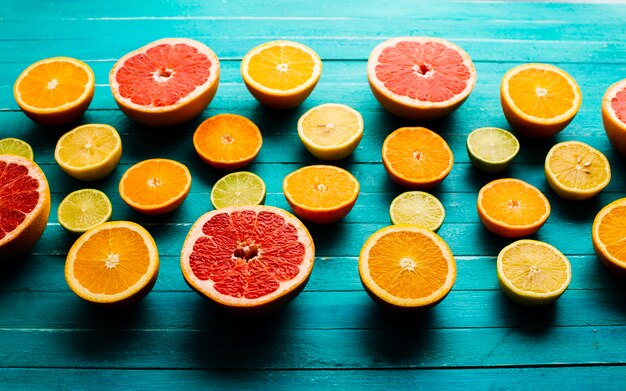
Oranges are one of the most consumed fruits in Canada and indeed the world. It is also one of the most versatile fruit types that exist. They can be used for a lot of things, from making juices to being eaten raw, to marmalade, to marinade. These fruits are not only a culinary delight but are also packed with nutrients like vitamins, minerals, antioxidants and fibre. However, different types of oranges serve different purposes, some more than others. It is interesting to know the best orange types for different health needs. Each type of orange has its special power, whether it be making juice, cooking or eating it straight out of the peel. They come in a variety of hues and flavours, ranging from sweet and tangy to tart and slightly bitter. They also vary greatly in size and the season that they are available.
What are the different types of oranges?
The following are popular orange types that one can consider buying the next time they are at a farmer’s market or a grocery store. They include:
Navel oranges
They are sweet and slightly bitter and are among the most common types of oranges. They are easy to identify because of the signature mark at the bottom that resembles a belly button. Since they lack a lot of seeds, are easy to peel, and have an inviting flavour, they can be eaten raw, or added to salads. Their sweetness also makes them suitable for juicing, as long as it is going to be drunk immediately. The zest can also be used in baking to brighten up the flavouring. They are low-calorie and provide about 92% of the daily vitamin C requirement. These oranges are in season from November to June
Cara Cara oranges

This type of orange is extra sweet; they are famous for their low acidity and refreshing sweetness. These features make them suitable to be eaten raw, added to dishes or used in juice making. They can also be referred to as red-fleshed navel oranges. This is because they have a deeper colour due to the presence of natural carotenoid pigments. The body converts some of the carotenoids to vitamin A, which is essential for eye health, immunity and normal growth and development.
These oranges are a good source of fibre, which is beneficial in digestion and reduces the risk of diabetes, cardiovascular disease, and colon cancer. The oranges are also a rich source of potassium, which is a vital mineral involved in many bodily functions, including heart and kidney function, muscle contraction and nerve transmission. The juice does not turn bitter on exposure to air, unlike the regular navel oranges.
Valencia oranges
These oranges have thin skins and are sweet and extremely juicy oranges, making them suitable for orange juices and smoothies. They have a slight pebbly rind and the occasional seed. These oranges are in season from February through early November, but they are in peak season from July to October. They are great for summer grilling and pairing with foods like salsa. They provide folate in addition to vitamin C and potassium. Folate is an essential vitamin B required for making DNA and red blood cells. It is also essential during pregnancy to prevent tube defects.
Blood oranges

They are named so because of their deep blood-red coloured anthocyanin pigments in the rind and the flesh(1). These pigments have protective properties against chronic diseases such as cancer, diabetes and heart disease. They are available from the winter through the spring. There are different varieties like the sanguinello which is oval-shaped, sweet, and rich-flavored.
The Moro blood orange is on the tarter side and is mostly known for its dramatic pigment. Its flesh varies from streaks of burgundy to deep purple, and its rind can occasionally be entirely red. The Tarocco is a large blood orange with a prominent neck and a round to slightly elongated shape. Its rind is easy to peel because it is loosely adherent, moderately thick, and finely pebbled. It is also balanced in taste and flavour. Blood oranges can be used in meals, they can be used in fruit salads, and they can also be used to garnish cocktails.
Sumo oranges
These are a variety of large mandarin oranges with an intense orange flavour. They are easy to peel and seedless, also bearing slightly bumpy skin. They have a protruding knob at the stem end of the fruit, a distinct top knot. These oranges can provide 147 calories and 163% of the daily value for vitamin C. They can be eaten on their own due to their incredibly sweet flavour.
Mandarin oranges
They are a type of sweet orange; they are small, have a medium to thick loosely adherent rind, and a relatively smooth surface. They are in season from November through to April, and if not harvested at peak internal ripeness, they deteriorate quickly, and their rinds become puffy. For people with diabetes or monitoring blood sugars closely, it is important to select the packaged one with no added sugar and drain them well before eating to avoid impact on blood sugars.
Clementines
Known for their small size and easy-to-peel bright orange skin, they are also a type of mandarin orange. Being the tiniest variety of mandarin oranges, these seedless oranges are an ideal kid-friendly snack. They also pack a healthy dose of vitamin C, delivering an impressive 40% of the daily value despite their small form. They can be paired with cottage cheese and nuts for a balanced snack.


Tangerines
These are technically a type of mandarin oranges. They are larger, sharper in taste and a deeper orange to red. A medium tangerine offers 47 calories and 24mg of vitamin C. Also, like other types of oranges, they can be used in a range of dishes and recipes, from salad to jam and juice. The zest of the peel can be added to a pasta dish or a fish dish.
Lima oranges
They are also known as acidless oranges because they are super sweet with minimal acidity or tartness. They have thick peels and some seeds. However, they are great for eating raw due to their soft, tender, and distinct juiciness. Their lack of acidity gives them a shorter shelf life. So they are enjoyed raw or are squeezed into a juice.
Reference
- Matheyambath, A.C. et al in Encyclopedia of Food and Health, 2016, Pages 136-140. https://www.sciencedirect.com/topics/pharmacology-toxicology-and-pharmaceutical-science/blood-orange